Your First Pork Shoulder: Breaking Down the 70/30 Rule
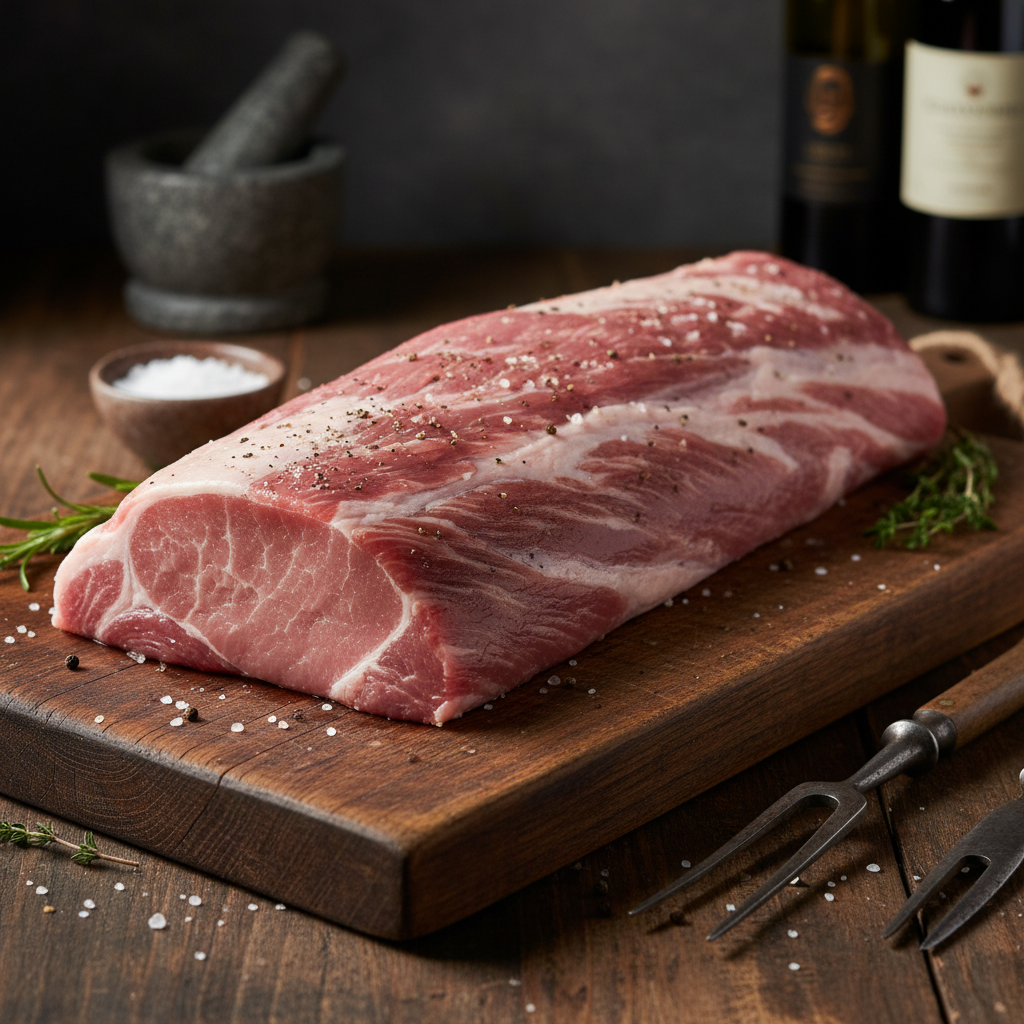
Every good sausage starts with the right fat ratio. We'll walk through selecting, trimming, and grinding a bone-in shoulder for your very first batch — no dedicated grinder required.
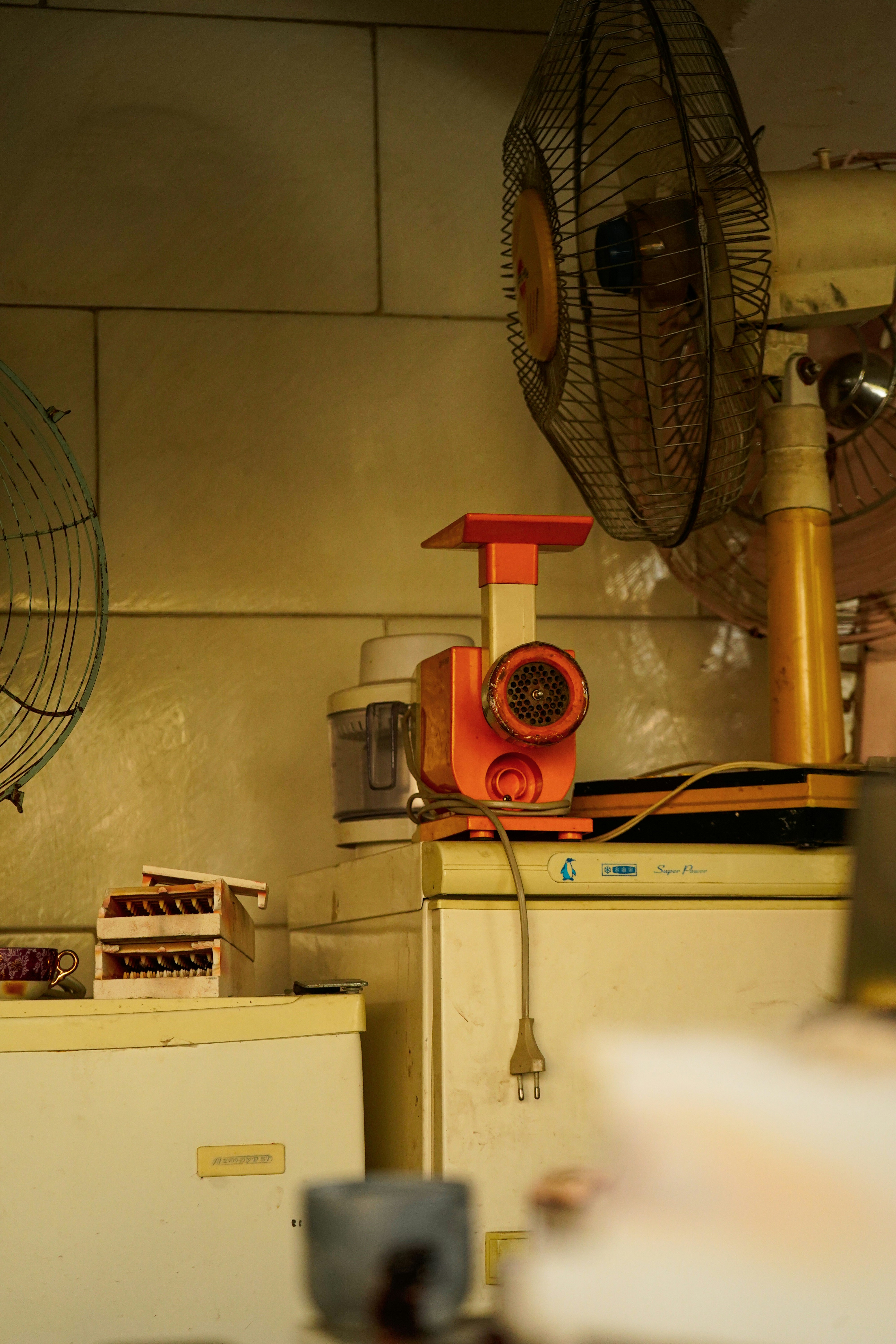
You've got a KitchenAid attachment and a pork shoulder. This is where you start. No mystery — just meat, fat, salt, and the satisfaction of the first link.

Every good sausage starts with the right fat ratio. We'll walk through selecting, trimming, and grinding a bone-in shoulder for your very first batch — no dedicated grinder required.
It's not a Weston. But for most weekend makers grinding 5-pound batches, the stand mixer attachment does the job if you know its limits.
Warm fat smears. Cold fat grinds clean. Keep everything — meat, fat, grinder parts, bowl — below 38°F and your emulsification will hold. Here's how to build that discipline into every session.
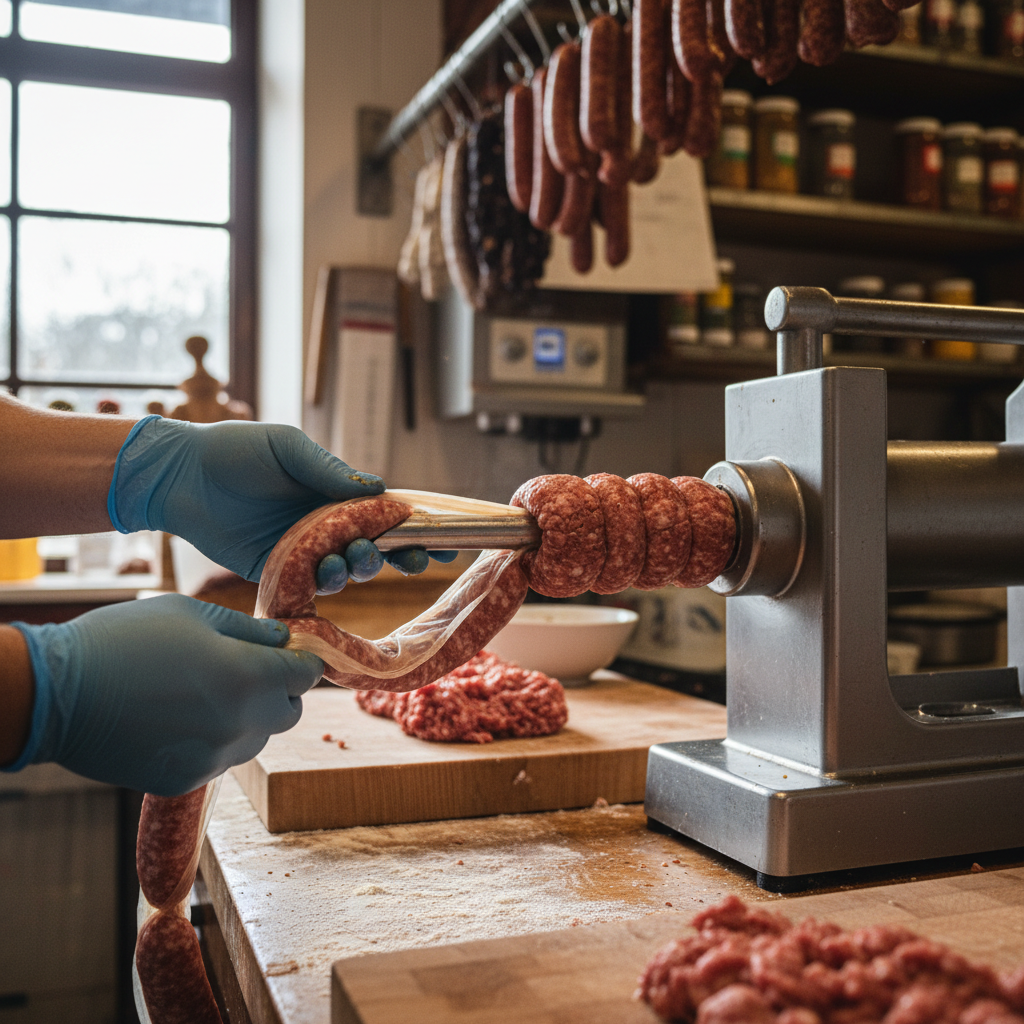
No vertical stuffer yet? A gallon zip-lock with a corner snipped works for your first few batches. We'll show you the angle, the squeeze pressure, and how to avoid air pockets.
Gram-for-gram ratios for 40+ regional profiles. The difference between a good bratwurst and a great one is measured in tenths of a gram.
Italian sweet sausage profile
Toast whole seeds before grinding for a deeper anise note. Essential for Calabrese and Florentine styles.
Extremaduran chorizo, Spanish
Pimentón de la Vera only. The difference between smoked and sweet is the difference between chorizo and disappointment.
Bratwurst, Weisswurst
Finer grind than black. Provides heat without dark specks — critical for pale German sausages where visual purity matters.
Polish kielbasa, German wurst
Dried and crumbled. Pairs with garlic to create the classic Central European profile. Use sparingly — it amplifies.
Andouille, Cajun links
Start conservative. You can't take heat back once it's in the grind. Test a small patty before you stuff the batch.
Mortadella, liver sausage
Grate fresh only. Pre-ground nutmeg loses its volatile oils within days. A microplane and a whole seed is the only way.
German landjäger, Czech klobása
Whole seeds for texture, lightly cracked for more aroma release. The defining note of Central European country sausages.
14 profiles
Kielbasa, bratwurst, Weisswurst — the canon of pork and white pepper.
11 profiles
Chorizo, merguez, loukaniko — fennel, paprika, and preserved citrus.
9 profiles
Andouille, breakfast links, hot Italian — the diaspora of European traditions.
Nitrates, smoke rings, and the chemistry of preservation. This is where sausage making becomes charcuterie — slower, more deliberate, and deeply satisfying.
< 90°F
Cold Smoke
Flavor only — no cook. Salmon, lardo, soft cheeses. Requires separate cold smoke generator.
90–140°F
Warm Smoke
Partial cook with smoke. Most traditional sausages. Finish in hot water bath to 160°F internal.
225–275°F
Hot Smoke
Full cook via smoke. Andouille, kielbasa, brisket. No additional cooking required.
Prague Powder #1 is for products cooked or smoked within 30 days. #2 is for long-cured, air-dried products. Using the wrong one is a food safety issue, not just a flavor one.
Before you spend $400 on a Bradley, this is the $12 proof-of-concept that teaches you what cold smoke actually does to protein and fat.
A smoke ring is nitrogen dioxide binding to myoglobin — not a measure of smokiness. We'll explain why competition judges look for it and why home smokers often miss it.
Equipment reviews written by people who've actually worn through the tools. Grinders, stuffers, chambers, and the casings that hold it all together.
| Tool | Best For | Entry Price | Verdict |
|---|---|---|---|
| KitchenAid Attachment | First 10–20 batches, 5lb max | $60 | Start here |
| Manual Grinder #32 | Weekend maker, 10–15lb batches | $85 | Reliable step-up |
| Weston Pro #22 Electric | Serious hobbyist, 20lb+ sessions | $320 | Worth every cent |
| LEM Big Bite #12 | High volume, competition prep | $280 | Competition standard |
| 5-lb Vertical Stuffer | First dedicated stuffer | $120 | Upgrade immediately |

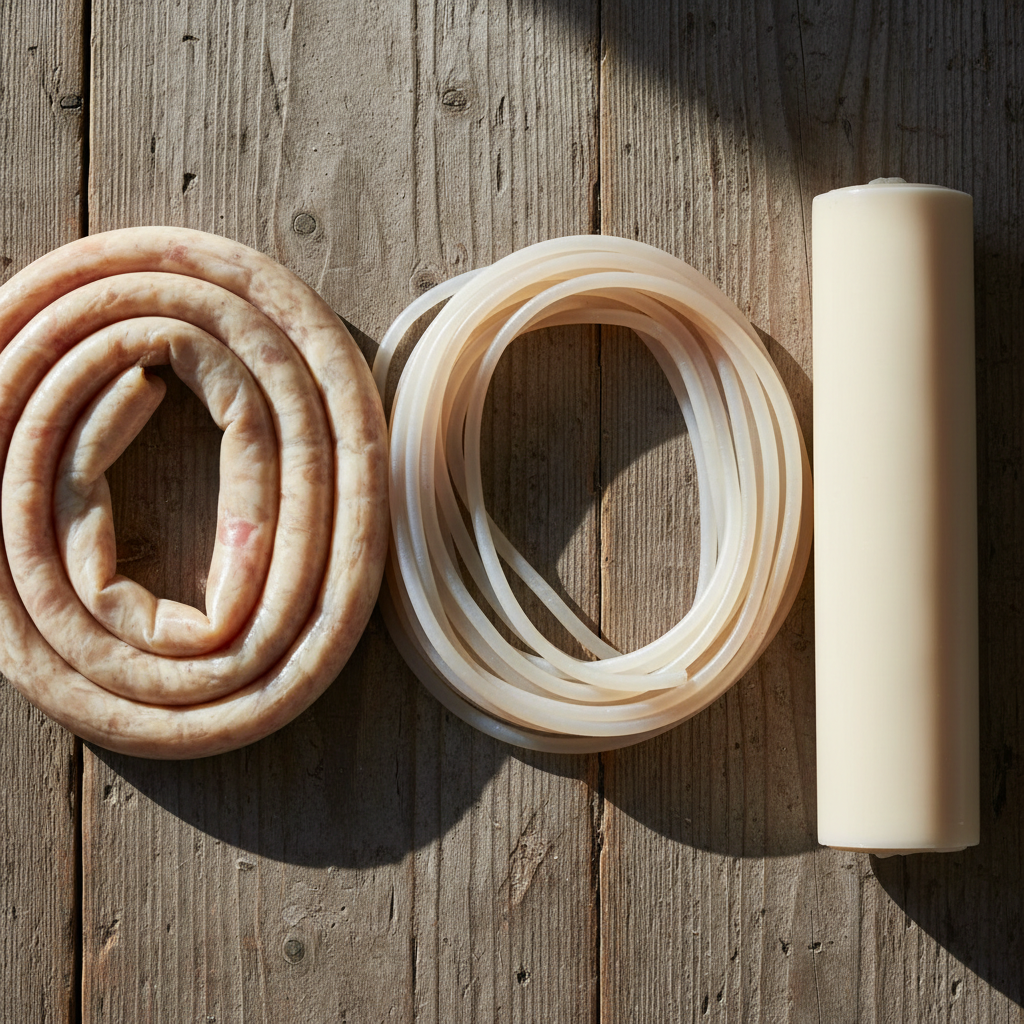
Hog casings for bratwurst, Italian, and kielbasa. Sheep for breakfast links and merguez. Collagen for high-volume production runs. Each has a different snap, permeability, and stuffing feel.

After 20 batches with a horn stuffer, I spent $180 on a 5-lb vertical. The difference in air pocket frequency alone justified the cost in the first session.

Thirty minutes in warm water is enough. Overnight soaking makes them fragile. The goal is pliability, not saturation — and the difference shows when you're linking.
Competition recaps, technique questions, chamber builds, and the kind of obsessive detail that only makes sense to people who own more curing chambers than bookshelves.
3,840
Members grinding
12,400+
Posts this year
47 states
Represented
Used the veal/pork blend from the February dispatch. Judges noted the texture was excellent but the lemon zest was too forward. Taking notes for next year.
Six weeks of temperature swings and one batch of fuzzy mold later, I've got the Inkbird controller dialed in. Sharing my full build notes in the comments.
I've seen both approaches. The tomatillo version has more acidity and a cleaner finish. The roasted green chile version is earthier. Has anyone done a side-by-side?
80% leg, 20% tail fat. Previous batches used shoulder fat and the texture was wrong — too greasy on the grill. Tail fat melts differently and the spice profile holds.
The Red Wattle has more intramuscular fat and a sweeter flavor. Berkshire is more consistent and easier to source. For competition-level Italian, I'm sticking with Red Wattle.
Took the ground pork and onion mixture from menchi-katsu and stuffed it into sheep casings. The panko interior creates a completely different texture when pan-fried.
Five complete recipes — Bavarian bratwurst, Italian sweet, breakfast links, kielbasa, and merguez — with gram-precise spice ratios, grind plate recommendations, and casing guidance. No fluff.
Just a name and email. Unsubscribe any time.